Bitcoin Holds as Ether, Solana Slide on Mideast Fears
What to Know
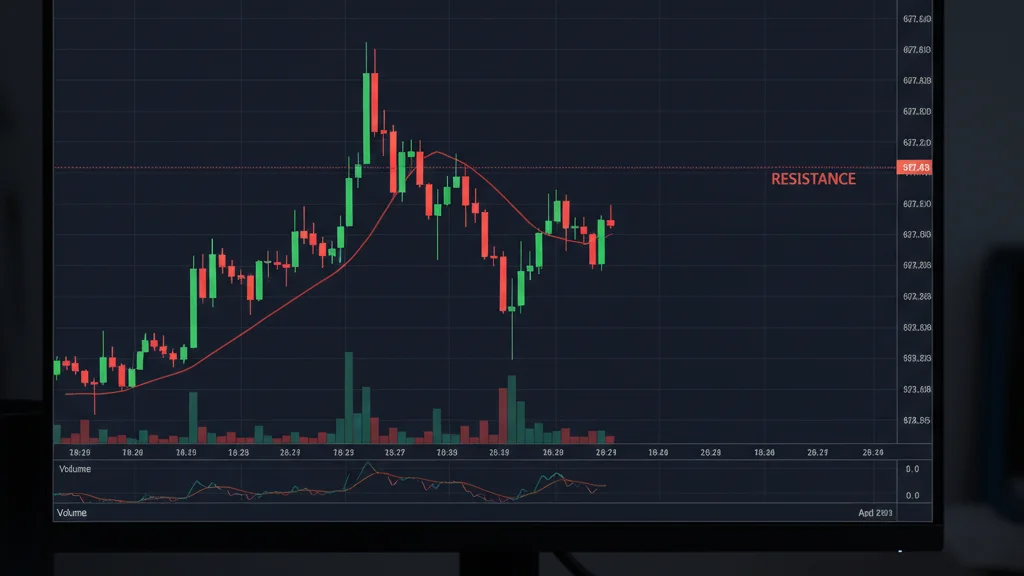
- $67,612 — Bitcoin's price during Asian morning hours Wednesday, its third failed attempt to hold above $70,000 since the Feb. 5 crash
- Solana is the worst-performing major on a weekly basis at -4.2%, while BNB quietly rose 5.2% on the week to $629
- South Korean stocks logged their biggest two-day decline since 2008 as Iran conflict fears rattled regional equity markets
- FxPro chief analyst Alex Kuptsikevich warns a decline to $63,000 is a working scenario if Bitcoin's upper boundary continues to hold
Bitcoin resumed its familiar holding pattern near $67,612 during Asian morning hours on Wednesday, posting a 0.7% 24-hour decline while clinging to a 3.4% weekly gain, according to CoinDesk market data. The session marked the third consecutive rejection from the $70,000 level since the February 5 crash — this time against a deteriorating macro backdrop as Middle East hostilities pushed Asian equities to multi-year lows and oil prices climbed once more.
Altcoins Diverge as BNB Outperforms
Ether slipped 2.2% to $1,957, giving back a portion of its recent bounce while still holding a 2.6% gain on a seven-day basis. Solana lost 0.8% to $85.16, cementing its position as the worst-performing major on a weekly basis at -4.2% — a title it has carried since Saturday's aggressive sell-off. XRP traded relatively flat, off 1.3% to $1.35, managing a modest 1.5% weekly gain.
Further down the board, losses were more pronounced. Dogecoin fell 2.9% in 24 hours and shed 3.9% across the week. Cardano dropped 4.2% on the day and 3.5% over seven days. The standout exception was BNB, which climbed 5.2% on the week to $629, acting as the session's quiet outperformer while larger names struggled to hold Tuesday's highs.
The pattern across major assets is consistent: most recovered from weekend lows but could not sustain the Tuesday rally, leaving the broader market in a waiting game while traders watch for resolution on the Iran situation and assess how traditional markets absorb Monday's macro shock.
What Does the $70K Rejection Mean for Bitcoin?
Bitcoin's inability to break above $70,000 on three separate attempts since February 5 is drawing increasing analyst attention. The price structure suggests a liquidity vacuum near the top of the range, with forced sellers from the weekend having largely cleared but buyers not yet committing at higher levels.
Wojciech Kaszycki, CSO of BTCS SA, described the action as a classic post-shock pattern. "BTC bouncing back to $70K looks like a classic shock, flush, rebuild move. A lot of the weekend selling was forced, and liquidity was thin, so the rebound can be fast once pressure lifts," he said in a statement. He added that the real signal to watch is not the price spike itself but whether ETF inflows remain steady through the week.
FxPro chief analyst Alex Kuptsikevich offered a more cautious read. Tuesday's rejection at the upper boundary "forces us to consider a decline to $63K as a working scenario" if Bitcoin continues to fail at resistance. That level would represent a meaningful pullback from current prices and would bring the asset back toward support last tested in late February.
After BTC's move back above $70K, the real signal isn't the price spike. It's whether ETF inflows stay steady this week.
— Wojciech Kaszycki, CSO of BTCS SA
Asian Equities Rout and the Hormuz Disruption
The macro environment deteriorated sharply on Wednesday. South Korean stocks posted their biggest two-day decline since 2008 as the Iran conflict continued to rattle regional investors. Tech stocks across the MSCI Asia Pacific index fell 4%, pulling markets in Japan, Taiwan, and South Korea lower in unison. The Indian rupee dropped to a record low, pressured by spiking oil import costs.
Gold continued its climb, drawing silver higher for the first time this week as safe-haven flows intensified. Oil remains the central variable. Brent crude rose again Wednesday despite U.S. announcements of plans to escort tankers through the Strait of Hormuz, which has remained effectively closed since the weekend strikes. U.S. President Donald Trump floated an insurance scheme for oil tankers but offered no specifics.
The concern for crypto markets is the downstream effect: a prolonged Strait of Hormuz disruption drives energy prices into inflation expectations, which delays rate cuts, which tightens the liquidity conditions that underpin risk assets. Until the strait reopens or oil stabilizes, this macro headwind persists.
What This Means for Crypto Going Forward
Bitcoin's relative resilience against broader altcoin weakness signals that institutional positioning remains intact — at least for now. ETF inflow data over the coming days will be the clearest indicator of whether large allocators are treating the $67,000–$70,000 range as accumulation territory or simply waiting for the geopolitical picture to clarify.
Gracy Chen, CEO of Bitget, told reporters that "Bitcoin is an emerging reserve asset" and attributed current price softness to broader market disappointment rather than structural weakness. "The current decline in Bitcoin is largely driven by this disappointment, especially against the backdrop of rising equities, gold, silver, and stock indices reaching new highs," she said, pointing to the challenge Bitcoin faces in competing with more established safe-haven narratives during acute risk-off periods.
For traders, the near-term range appears set between $63,000 support and the $70,000 ceiling. A sustained break in either direction — catalyzed most likely by a shift in the Iran conflict or a decisive read on ETF flows — will define whether the 3.4% weekly gain holds or evaporates into the next leg lower.
Stay ahead of the market.
Crypto news and analysis delivered every morning. Free.
More from Bitcoinomist
About the Author
Senior Crypto Journalist
Kevin Giorgin is a senior crypto journalist with over five years of experience covering Bitcoin, DeFi, and blockchain technology at Bitcoinomist.
View all contributors
Follow bitcoinomist.io on Google News to receive the latest news about blockchain, crypto, and web3.
Follow us on Google News